Raiding
Guide to Raid Defense and Counter-Raiding in Rust
How to design a base defensively, what to do when you are being raided, and how to counter-raid effectively.
How to design a base defensively, what to do when you are being raided, and how to counter-raid effectively.
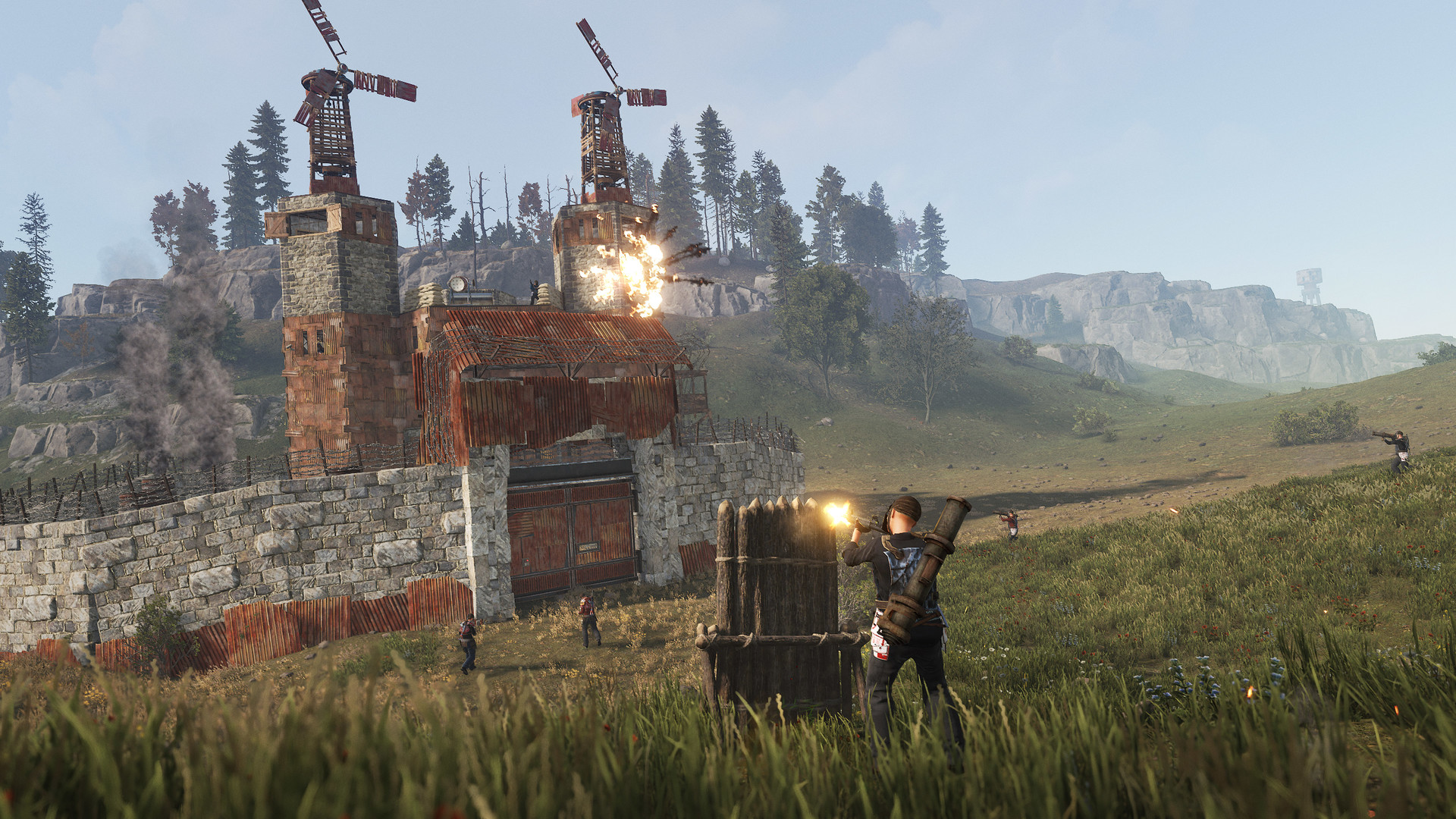
Getting raided is inevitable in Rust. No base is unraidable. The goal of raid defense is to make your base so expensive to raid that attackers either abandon the attempt, run out of explosives, or spend more sulfur than the loot is worth. Defense is economic warfare, not about stopping raids entirely.
Honeycombing is the foundation of raid defense. Place walls outside your core structure, then repeat the pattern inward, creating multiple wall layers. Each layer multiplies the explosive cost linearly: one stone wall costs 2 C4, two layers cost 4, three layers cost 6. The building cost for you remains cheap while the sulfur investment for raiders grows exponentially. Honeycombing is passive defense requiring no maintenance once built.
Shooting floors are essential. They provide elevated firing positions where you can engage raiders attacking your walls while they are exposed at ground level. Bedrooms with lockers near major defensive positions are the most overlooked aspect of base design. Multiple bedrooms allow you to respawn and re-kit during a raid without losing time. Lockers allow instant re-gearing without inventory management.
Compounds create initial distance between raiders and your core structure. A raided compound is expensive and time-consuming but less catastrophic than raiders reaching your actual base. Compounds act as early-warning systems and defensive layers simultaneously.
Priority one is getting teammates online and coordinated. Priority two is determining where raiders are breaching. Use your alarm systems and shooting floors to identify the direction of attack. Do not rush toward the sound blindly. Use your shooting positions to engage from above and force raiders to deal with you while they work on walls.
Seal breaches as fast as possible. If raiders breach a wall and you build a new wall in the gap before they place a Tool Cupboard, you have stopped their advance. Keep building materials in a storage box near your bedroom specifically for emergency sealing. This is critical for online defense.
Coordinate with your team. Assign defensive positions, maintain communication, call incoming threats, and rotate between turret repair and personnel defense. Teamwork stops raids more effectively than any base design. A coordinated three-person team can defend against many more raiders through superior positioning and communication.
Your Tool Cupboard is your most critical structure. It controls building rights in a radius around it. If raiders destroy your TC, your base decays regardless of its durability. Protect it obsessively. Place it in the center of your base, multiple layers deep. Armored walls surrounding the TC are minimum protection. Consider multiple TC rooms as backups. If one TC is destroyed, a backup keeps your base from decaying immediately.
Counter-raiding is attacking raiders actively raiding another base. They are focused on the raid, carrying expensive gear and explosives, often distracted and with backs turned. This makes them vulnerable. The risk is they may be a large group with enough players to defend while others continue raiding.
The best counter-raid opportunities occur when a small group works on a base and you have map awareness from hearing explosions. Approach from an unexpected angle, engage fast, and loot quickly before reinforcements arrive. The loot from a successful counter-raid includes both the raid target's loot and the raiding team's expensive gear and explosives.
Counter-raiding requires PvP confidence. Do not attempt counter-raids unless you are comfortable in direct combat. A failed counter-raid leaves you dead with no loot.
Never put all valuable items in one loot room. Spread valuable items across multiple rooms, floors, and sections of the base. If raiders reach only one loot room, they do not get everything. The more your loot is split, the more expensive a complete raid becomes and the more likely raiders leave valuable items behind. This strategy prevents complete loss from a single raid.
For advanced defensive design including bunkers, trap bases, and complex layouts, see the advanced raid defense guide. For understanding what raiders see when scouting, read efficient raiding guide. For waterside considerations, check the torpedo raiding guide. For building techniques like advanced building and upkeep management, see those guides.
Defensive preparations are not one-time events. Budget 20-30 percent of your farming income toward defensive materials: stone, sheet metal, and armored pieces. Keep turret ammunition stocked. Maintain your Tool Cupboard. Consistent preparation prevents catastrophic losses.