General
Complete Guide to Animals and Hunting in Rust
All animals, behavior patterns, drops, hunting strategy, harvesting tools, resource uses, and biome distribution.
All animals, behavior patterns, drops, hunting strategy, harvesting tools, resource uses, and biome distribution.
Animals in Rust provide renewable sources of food, cloth, leather, animal fat, and bone fragments. Hunting is one of the most reliable early-wipe survival strategies. Unlike looting, hunting requires no monuments, no PvP threat, and minimal risk. Walk into a forest, find animals, and harvest them for steady resources.
Early wipe, hunting sustains you for hours until you reach a workbench and farming gets efficient. Mid and late wipe, hunting remains useful for supplementing cloth and animal fat needs. Cloth is always useful for sleeping bags and armor repairs. Animal fat combines with cloth to create low-grade fuel, which powers boats, minicopters, and chainsaws. See the cloth farming guide for detailed production methods.
Understanding animal behavior, locations, resource drops, and harvesting efficiency determines whether you die from starvation or thrive with excess supplies.
Behavior: Completely passive. Chickens do not attack under any circumstance. They wander slowly and can be killed with a single weak hit. Easy targets for beginners.
Found: Around settlements and abandoned houses. Common in grassy areas near water and roads.
Drops: Raw chicken, bone fragments. Minimal returns.
When to hunt: Never go out of your way. Kill any chicken you encounter as free food. Not an efficient hunting target early game.
Harvesting tool: Any tool works. Even a rock. Yields are minimal regardless of tool quality.
Behavior: Aggressive. Will charge and attack you. Once health drops below 50 percent, the boar flees. Chase and finish it or wait for it to circle back.
Found: Forests and grassy plains. Common throughout the map.
Drops: Raw pork, cloth, leather, animal fat, bone fragments. Excellent early-game target.
When to hunt: Boars are the best early wipe target. The cloth and animal fat returns are exceptional for sustaining yourself and crafting sleeping bags. Priority early hunting.
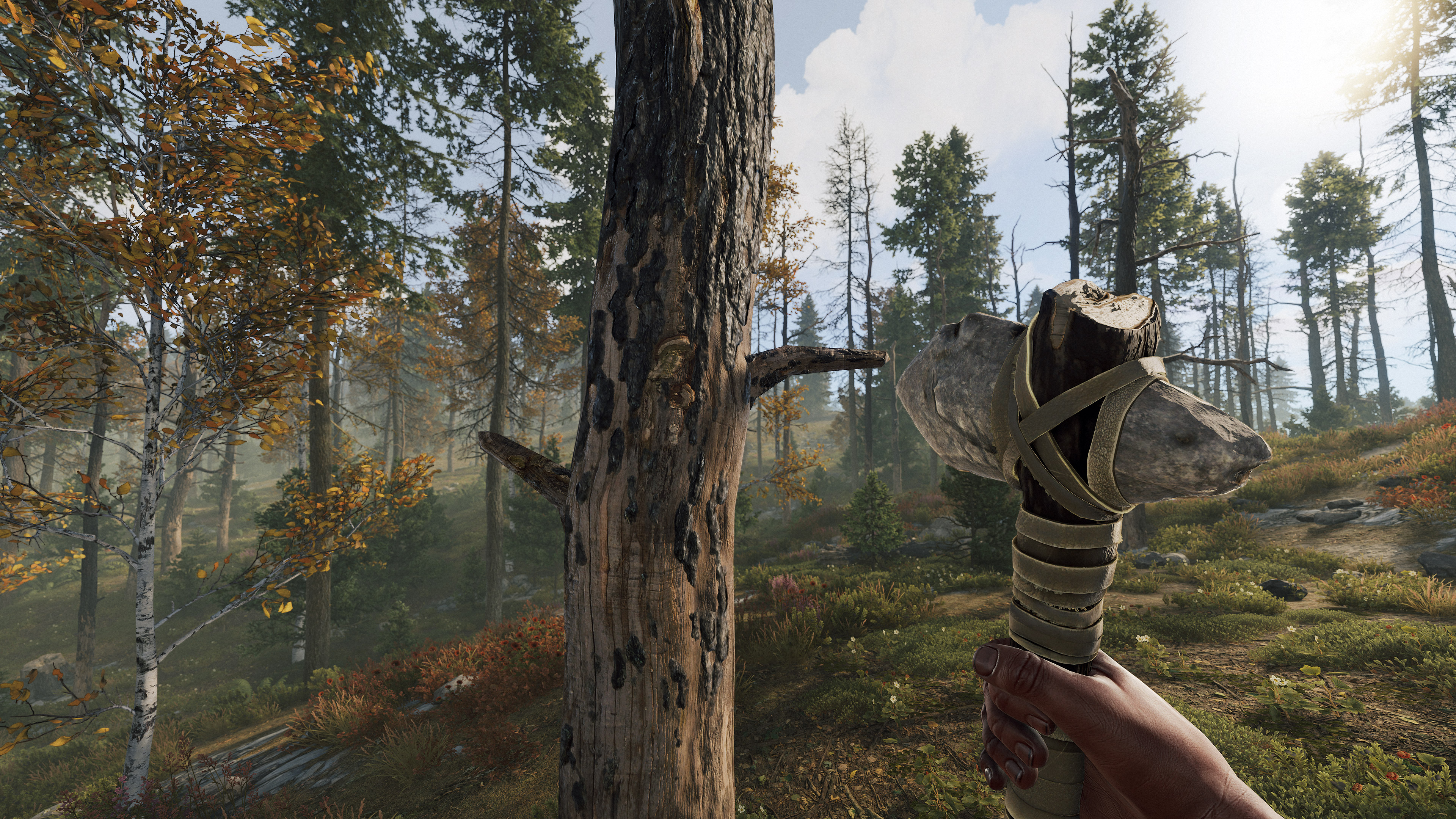
Harvesting tool: Hatchet or better for maximum yield. Bone Knife is acceptable but slow.
Behavior: Completely passive. Will flee when you approach. Faster than boars. Difficult to catch if you are on foot with no sprint stamina.
Found: Forests and fields. Slightly less common than boars but present in most biomes.
Drops: Raw venison, cloth, leather, animal fat, bone fragments. Slightly higher yield than boar.
When to hunt: Good secondary target after boars. The extra yield is valuable but the chase is tedious. Still worth hunting if you spot them.
Harvesting tool: Combat Knife or Hatchet for best yield. Chase them down with stamina management.
%20Screenshots/Rust%20-%20Tutorial.jpg)
Behavior: Aggressive on sight. 100 HP. Fast movement, moderate damage, and uses a lunge attack that closes distance quickly. Travel in packs of 2 to 4. Extremely dangerous early game without armor or weapons.
Vulnerability: Wolves are terrified of torches. Holding a torch will cause them to flee immediately. In-game voice chat played loudly also scares them away.
Found: Snowy biomes, dense forests, and some grasslands.
Drops: Raw wolf meat, cloth, leather, animal fat, bone fragments.
When to hunt: Avoid early game unless you have armor and a ranged weapon. Mid-game and beyond, wolves are killable but less efficient than boars. Kill for extra resources, but do not prioritize.
Harvesting tool: Combat Knife or Hatchet. Approach the body after ensuring all wolves are dead.
%20Screenshots/Rust%20-%20Wolves.jpg)
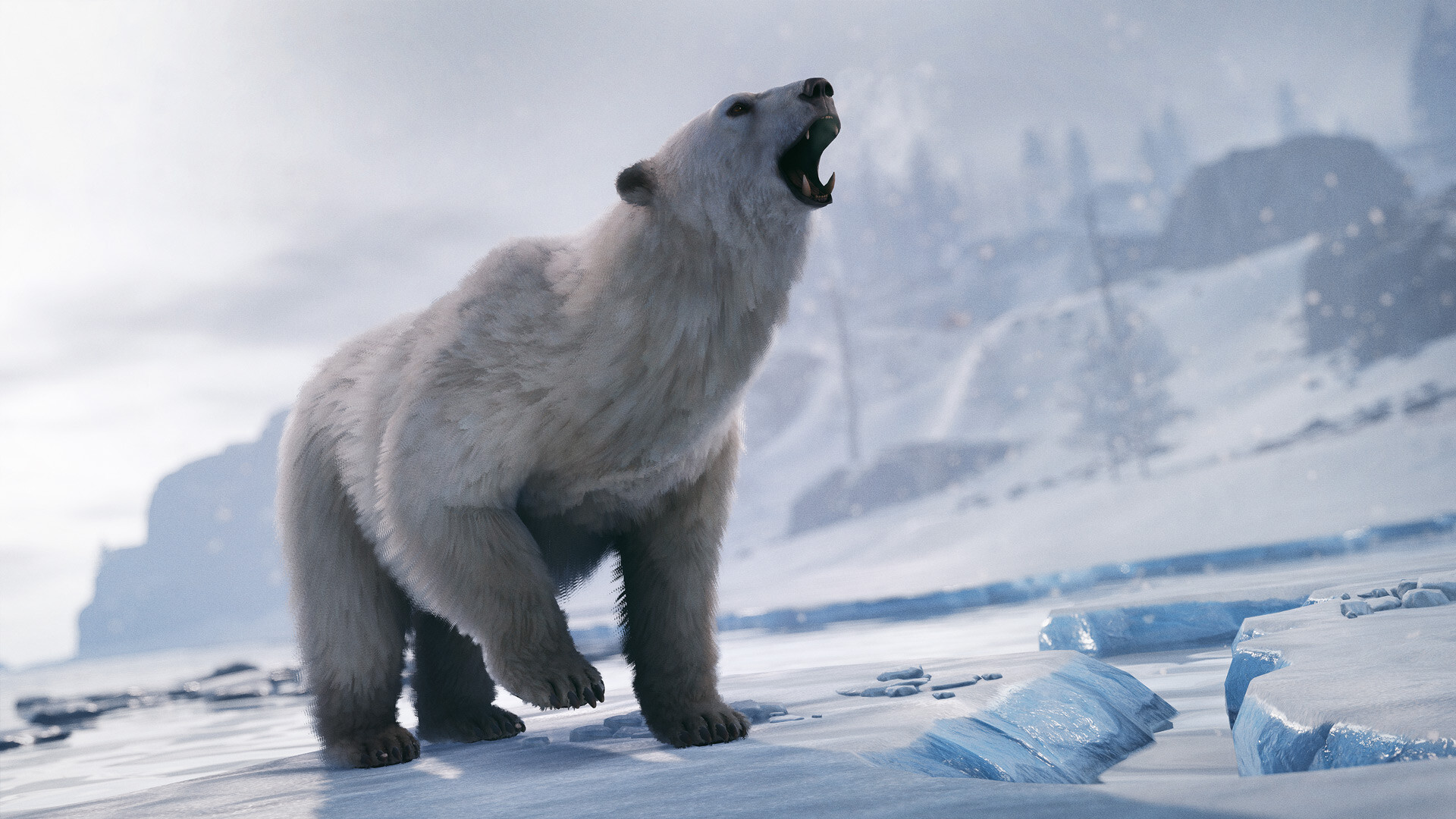
Behavior: The most dangerous land animal. 400 HP. Very fast with short sprinting bursts up to 4x player speed, aggressive, high damage per hit, large health pool. Kills unprepared players instantly. Will not stop chasing until you are dead or far away.
Vulnerability: None known. Bears do not flee from torches or voice chat. Requires significant firepower or multiple arrows to kill.
Found: Wilderness areas, particularly colder biomes and forests.
Drops: Raw bear meat, large quantities of cloth, leather, animal fat, bone fragments. Single highest resource yield per kill.
When to hunt: Only if you are well-geared and comfortable with PvP weapons. The risk-to-reward is excellent late game but terrible early. Never engage early wipe.
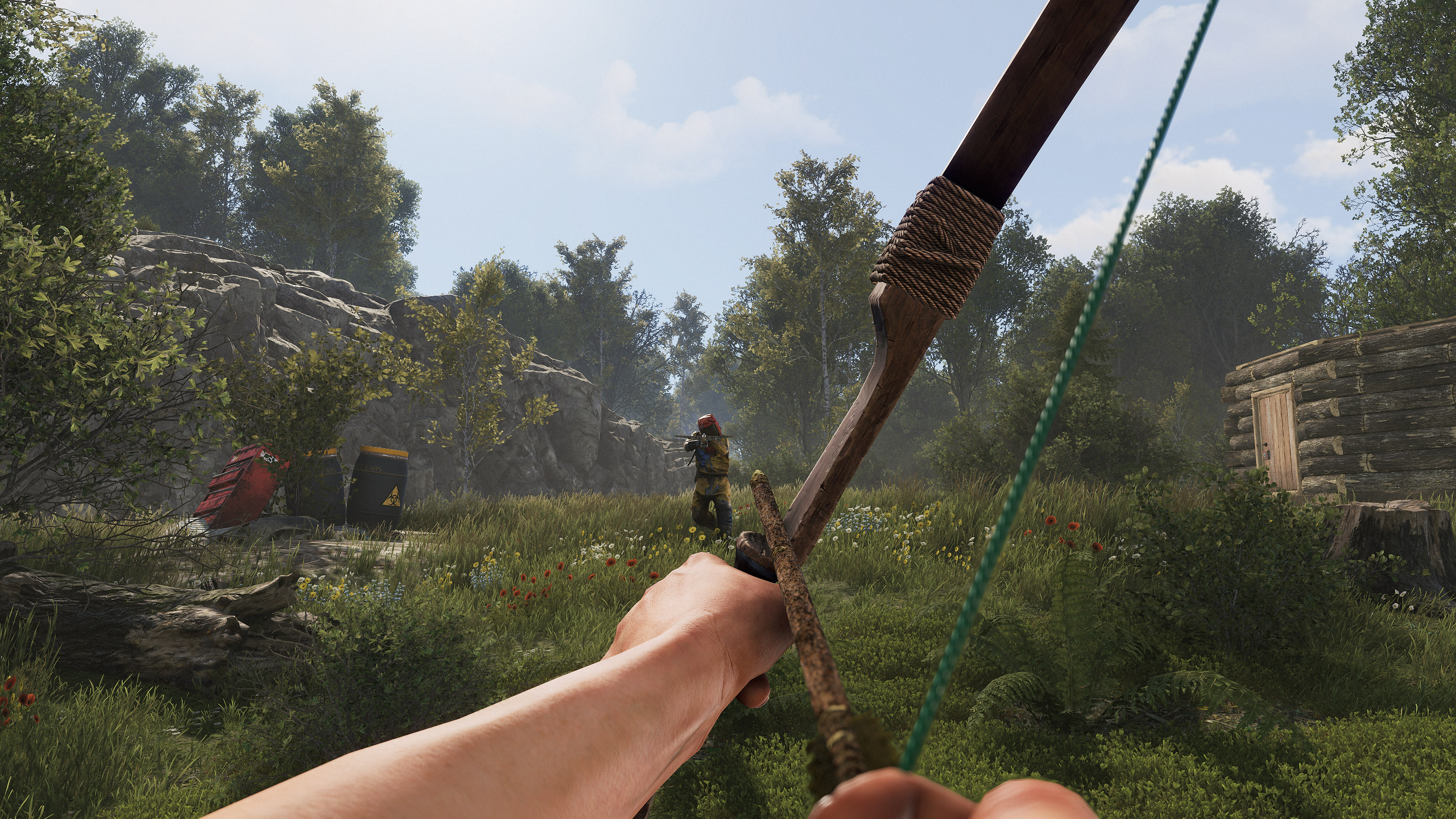
Killing method: Crossbow with bolts, hunting bow with many arrows, or rifle from distance. Never melee. Position on high ground and keep distance. Requires 15 to 25 arrows depending on gear level.
%20Screenshots/Rust%20-%20Frontiersman.jpg)
Behavior: Identical to regular bears but with higher health and damage. More dangerous version of standard bears.
Found: Arctic biome only. Rare to see unless you intentionally visit snow areas.
Drops: Same as bears but higher quantities due to increased health.
When to hunt: Only if you are extremely well-geared. Arctic biome is high-threat and polar bears are harder than regular bears. Not a priority target.
%20Screenshots/Rust%20-%20Valley.jpg)
Behavior: Aggressive in water. Attacks swimmers and players on small boats. Will follow you while you swim.
Found: Ocean biome only. Present in deep water and sometimes near shorelines.
Drops: Raw fish meat, bones, leather.
When to hunt: Never intentionally engage. Avoid water if sharks are nearby. If you must cross water, use a motor boat and maintain distance. Sharks are an environmental hazard, not a hunting target. See the boat building guide for safe water travel.
The harvesting tool you use directly affects your resource yields. Different tools extract different amounts from the same animal corpse.
| Tool | Yield Quality | Availability | Recommendation |
|---|---|---|---|
| Rock | Lowest | Starting item | Only use if no alternative exists |
| Bone Knife | Low-Medium | Craft from bone fragments | Acceptable early game, upgrade when possible |
| Stone Pickaxe | Low-Medium | Craft early | Works but slow. Better for gathering stone |
| Hatchet | High | Craft or find | Excellent for animals. Primary hunting tool |
| Combat Knife | Very High | Craft at WB2 | Best yield. Fast harvesting speed |
| Chainsaw | Very High | Find or craft | Highest yield. Overkill for animals |
Early game, use whatever tool you have. Once you craft a hatchet, prioritize it for hunting. By mid-game, a combat knife becomes available and gives superior yields. The difference between a hatchet and combat knife is approximately 15 to 20 percent more resources. On a bear, that could be 5 to 10 extra cloth or leather.
Cloth - One of the most valuable early-game resources. Used for sleeping bags, bandages, clothing, sewing kits, and low-grade fuel. Early wipe, hunt aggressively for cloth. Every cloth gives you materials for a sleeping bag or fuel. Limit: 200 cloth by wipe day one is comfortable. See how to get cloth for optimization strategies.
Animal Fat - Combines with cloth to create low-grade fuel. Three animal fat plus one cloth equals four low-grade fuel. Low-grade powers boats, minicopters, and chainsaws. Essential for mobility. Collect fat aggressively. Target: 50 to 100 fat by wipe day one.
Leather - Low priority. Used for some clothing and workbench tier progression. Can be recycled into cloth if you have excess. Do not prioritize hunting for leather.
Bone Fragments - Used for Bone Armor, Bone Knife, and early-game items. Valuable early but becomes obsolete. Decent secondary resource. Accumulate but do not prioritize.
Raw Meat - Food. Always cook before eating by placing in a campfire, furnace, or barbecue. Each meat heals different amounts depending on type. Never leave meat unattended in a furnace or it burns and wastes nutrition. Roasted meat gives approximately 50 health.
Efficient hunting requires route planning. Identify areas with known animal spawns. Forest areas spawn boars and wolves frequently. Grasslands spawn deer and chickens. Snowy areas spawn wolves and bears. Plan a loop: start at your spawn, move through high-animal-density areas, harvest aggressively, return to base before nightfall.
Early game, prioritize boars and deer for cloth. Hunt for 30 to 60 minutes, accumulate 100+ cloth, then return to base. Process your harvests into sleeping bags and low-grade fuel. This cycle sustains you for hours and eliminates the need to loot monuments early. See the farming guide for food production strategies once hunting alone is insufficient.
Carry a hatchet and a bow. The bow lets you test animal aggression from range. The hatchet lets you harvest efficiently. Carry cooked meat in your hotbar for emergency healing. Travel light so you can fight and flee if necessary.
Hunting at night is dangerous because visibility is poor and animals are harder to spot. You might run into a bear or wolf pack in darkness. Stick to daytime hunting. If sunset approaches, head home rather than staying late.
Hunting is most efficient early wipe. By day two or three, combine hunting with basic farming and base building. This balanced approach gives you steady resources without burnout from repetitive hunting loops.