Crafting
Repair Bench and Research Table Guide
Master item repair and blueprint progression. Learn research strategies to unlock weapons, armor, and tools efficiently.
Master item repair and blueprint progression. Learn research strategies to unlock weapons, armor, and tools efficiently.
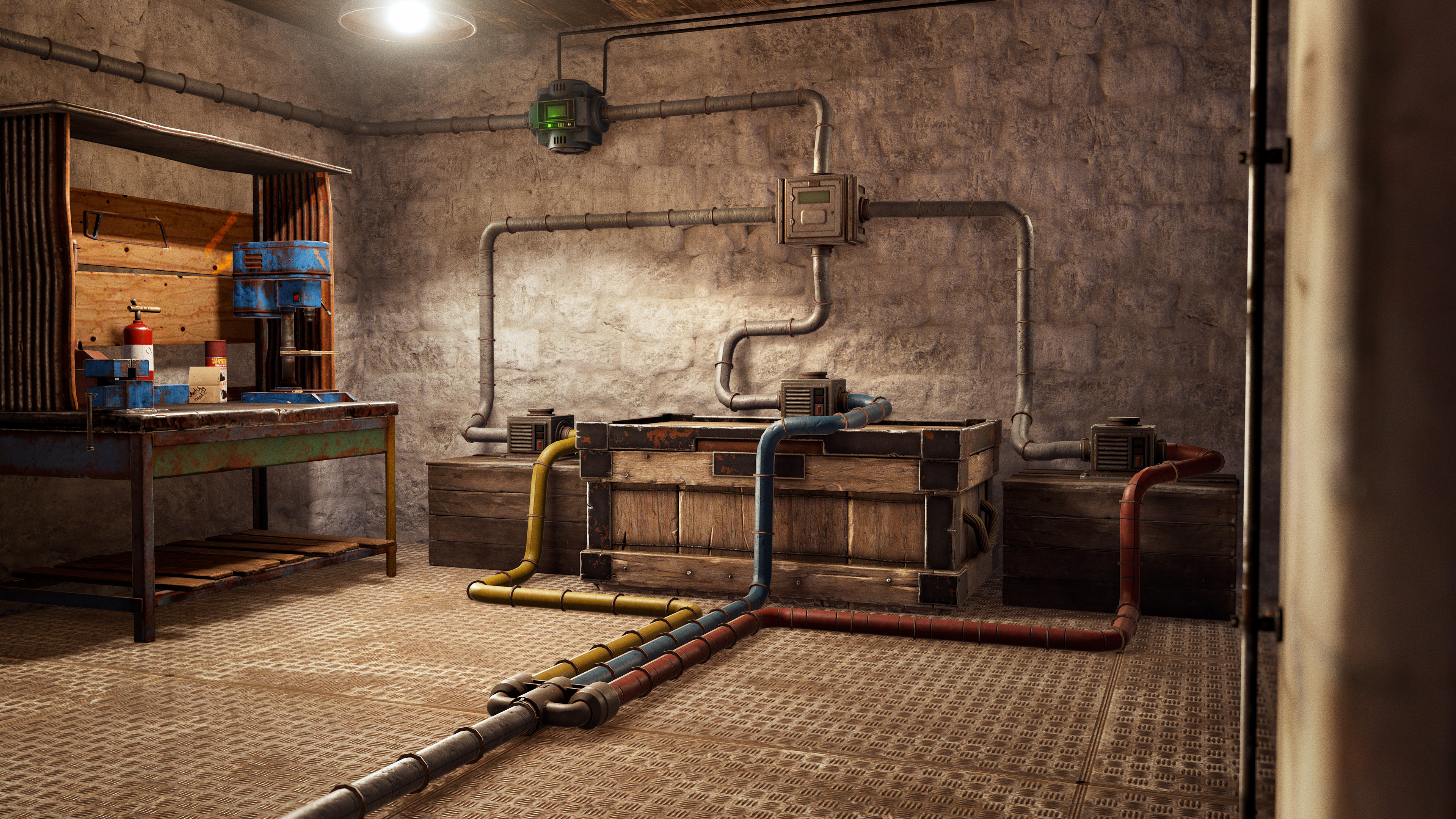
The repair bench restores damaged weapons and armor to full durability. Weapons and armor degrade with use during combat. Repairing extends their lifespan significantly, saving resources and replacement costs. Every serious base needs a repair bench as a defensive investment.
Craft cost: 150 metal fragments, 20 springs. Power requirement: 10 electricity. Durability: Permanent until destroyed. Once placed, it functions like a workbench where you insert damaged items and pay repair costs in materials. Repair costs vary by item and remaining durability.
Build your repair bench behind locked doors in your base. It is relatively cheap and frequently used, so you can afford to build one early. Power it consistently to keep it operational. A single repair bench can service your entire team's gear maintenance.
Repair costs depend on the item's original crafting cost. A weapon that costs 2000 metal to craft may cost 500 metal to repair from zero to full durability. The formula typically costs 25 percent of the item's crafting material to repair from zero to full durability.
Do not always repair items to full. Sometimes it is cheaper to craft a new item. Compare repair costs versus crafting costs for heavily damaged items. Low-tier items like basic weapons are usually repaired. High-tier items might be cheaper to replace.
| Item Type | Craft Cost (Metal) | Repair Cost (Metal) | Durability |
|---|---|---|---|
| Waterpipe Shotgun | 250 | 63 | 100 HP |
| Bolt Action Rifle | 1000 | 250 | 100 HP |
| AK-47 | 2000 | 500 | 100 HP |
| Roadsign Armor | 600 | 150 | 50 HP |
| Hazmat Suit | 200 | 50 | 100 HP |
Armor repairs are often worth it because armor is expensive to craft and essential for survival. Weapons vary by tier. Always compare costs before committing to repairs. Keep track of your frequently-used items and their repair costs for quick calculations during downtime.
The research table enables learning new blueprints from found items or blueprints. Place an unknown item into the research table and pay scrap to unlock its blueprint. Once unlocked, you can craft that item at any workbench of the appropriate tier.
Research tables are essential for progression. Found items become blueprints through research. Blueprints found in rad towns teach you rare weapons. You can learn high-tier items without farming them constantly. This is the core of blueprint progression in Rust.
Craft cost: 100 metal fragments, 30 gears. Power requirement: 5 electricity. Research time: Varies by item complexity. Research cost: Scrap. Build multiple research tables (2-3 per base) so your team can run parallel research simultaneously.
Research costs are flat based on item tier. Low-tier items cost 20-50 scrap. Mid-tier items cost 50-150 scrap. High-tier weapons cost 200+ scrap. Extremely rare items like AK or LR300 cost 500+ scrap to research.
Scrap is your limiting resource early wipe. You get scrap from barrel breaks and monument loot. Plan your research priorities carefully. Do not waste scrap on items you do not plan to craft frequently.
| Item Tier | Example Item | Research Cost | Priority |
|---|---|---|---|
| Tier 1 | Pipe Shotgun | 20 scrap | Low |
| Tier 2 | Bolt Action | 125 scrap | Medium |
| Tier 3 | AK-47 | 500 scrap | High |
| Tier 3 | SAR | 250 scrap | Very High |
| Rare | LR300 | 750 scrap | Critical |
Tech trees guide your research progression. They show prerequisite items you must research first. Some blueprints unlock only after researching related items. Tech trees force structured progression but guarantee eventual access to everything.
Random research (using research table on found items) lets you research any item directly. No prerequisites required. This is faster for getting specific weapons you want early. However, you miss intermediate blueprints that might be useful. Both methods have strengths.
Optimal strategy: Use tech tree early when items are scarce. Switch to research table when you find rare items in crates. If you find an AK, research it immediately rather than grinding tech tree. This saves potentially thousands of scrap.
First wipe day priorities: Research Tier 1 tools and weapons. Axes, pickaxes, and stone tools come first. Then unlock basic weapons like the Eoka Pistol and Pipe Shotgun. These items are immediately useful for roaming and protection.
Progress to tier 2 next. Bolt action rifles become your main weapon. Research armor and doors. Stone structures are now possible. Focus on defensive progression before offensive capabilities. Security and durability matter more than offense early.
Only research tier 3 weapons when you have excess scrap. AK-47, Thompson, and high-tier explosives cost huge amounts of scrap. Solo players should focus on cheaper weapons until they control territory. Do not bankrupt yourself on Tier 3 too early.
By mid-wipe, you should have core weapons unlocked. Farm monuments to get new weapons and research them. Focus on high-tier weapons like SAR and LR300. These weapons give significant combat advantages. Running Launch Site provides military crates with rare blueprints.
Research ammunition blueprints if not already done. High-tier ammo costs more to craft but is essential for late-wipe combat. Ensure your ammunition production keeps pace with usage. Assign one team member to ammunition production duty.
Share research burden across clans. One player researches weapons, another researches armor, a third researches explosives and tools. This parallelization gets full progression faster than sequential research by a single player.
Late-wipe research is about optimizing what remains. Fill gaps in your tech tree. Research weapons you never got around to. Farm monuments for rare blueprints. Late-wipe, scrap is abundant. You can research nearly anything you want.
This is when you unlock all the niche weapons you skipped early. Experimentation is finally affordable. Try weapons you avoided due to cost. Build multiple benches and have several teams running research simultaneously. Resources are no longer limiting.
Coordinate research across team members. Do not duplicate research of expensive items. Have different players specialize in different research tracks. One handles weapons, one handles armor, one handles explosives and tools. Communicate to prevent waste.
Share discovered blueprints immediately. Research tables are relatively cheap. Build 2-3 research tables at base so you can run parallel research. This is faster than sequential research by single benches. Parallel research cuts total time to full tech tree in half.
Create a research priority list for your team. Everyone agrees which items are most important. This prevents wasting scrap on low-priority items. Assign research responsibilities so everyone knows their role.
Found weapons can be repaired or recycled. Repair costs might exceed the scrap you get from recycling. Always compare. Rare weapons should be repaired and kept. Common weapons should be recycled for scrap. This funding strategy works best early wipe when scrap is scarce.
Use recyclers to convert weapons you do not need into scrap. This funding strategy works best early wipe. Late-wipe, just hoard weapons instead of recycling. Resource abundance means keeping duplicates is efficient.
The repair bench is part of a comprehensive crafting system. See workbench tiers for where you craft researched items. Blueprint and scrap guide covers efficient research paths. Mixing table guide explains combat buff creation.
Monument farming strategy determines scrap and blueprint availability. Launch Site and Outpost guides provide location-specific farming. For weapon choices by tier, see complete weapons guide.