General
Vehicles Guide
Transportation options, costs, fuel consumption, and when to use each vehicle type.
Transportation options, costs, fuel consumption, and when to use each vehicle type.
Rust offers diverse transportation options each serving different purposes. Vehicles range from free horses to expensive helicopters. Understanding vehicle mechanics, fuel consumption, and situational advantages helps you choose the right transport for each journey. Master vehicles and you'll farm faster, reach monuments quicker, and escape danger more reliably.
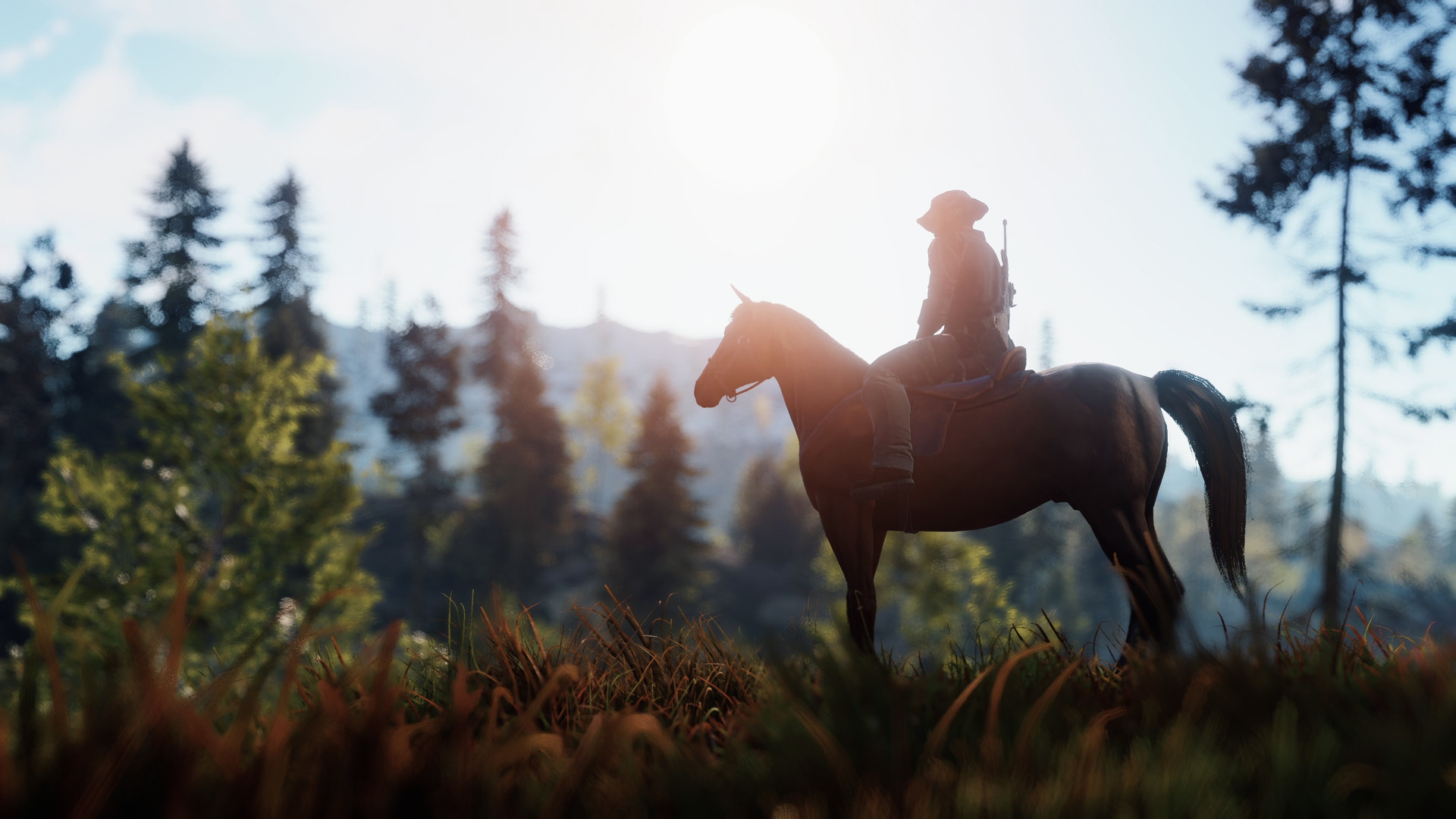
Horses spawn wild across the map. Mount them by pressing E. No taming or feeding required. No scrap cost required. Horses are free transportation available immediately in the early game.
Horses vary in speed and stamina. Faster breeds cover ground quickly. No fuel consumption allows infinite travel range. Mount speed exceeds running speed significantly. Horses work effectively for quiet infiltration and early-game transportation.
Equip horses with armor to reduce incoming damage. You and your horse together become difficult targets. Armor persists through the wipe if the horse survives. Horse armor enables tactical repositioning under fire.
Purchase boats at Fishing Village for 250 scrap. Rowboats seat multiple players and consume low-grade fuel. Maximum fuel capacity is around 500 units. They're slow but reliable coastal transportation.
The RHIB costs 500 scrap at Fishing Village. Faster, more durable, and carries more players than rowboats. RHIBs have higher fuel consumption but cover water distances faster. Use RHIBs for time-sensitive deep sea trips.
Always carry extra low-grade fuel for return trips. Running out of fuel mid-journey strands you offshore. Plan fuel consumption based on distance. Fuel is cheaper to farm than travel time spent adrift.
Boats decay when left in open water. Store boats indoors or on sheltered docks. Decay destroys unattended boats quickly.
Kayaks seat two players and require no fuel. Craft them using blueprints from Fishing Village. They're silent and nearly undetectable. Kayaks are excellent for stealth missions and early deep sea scouting.
Alternate left and right clicks to paddle. Kayaks move slowly compared to motorized boats. They excel in situations where stealth matters more than speed. Approach monuments quietly and safely with kayaks.
Purchase the solo submarine at Fishing Village for 200 scrap. One seat provides nimble underwater navigation. Holds up to 500 low-grade fuel. Includes an external fuel tank. Solo subs are ideal for individual deep sea exploration.
The duo submarine costs 200 scrap at Fishing Village. Two seats and increased health. Includes an internal control panel with sonar for ocean floor mapping. Duo subs are slower but more survivable in combat.
Submarines decay after 180 minutes submerged or 240 minutes above water without roof coverage. Store them indoors. Both require low-grade fuel. Plan dives with sufficient fuel for complete exploration and return journey.
Submarines can fire torpedoes for vessel combat. Torpedoes are crafted, not purchased. Two hits destroys another submarine. Torpedoes are expensive but effective in naval combat. Use sparingly in PvP scenarios.
Purchase minicopters at Bandit Camp Air Wolf Vendor for 750 scrap. They spawn at some monuments and road locations. Two-seat aerial vehicle with forward-facing cockpit.
Minicopters hold 500 low-grade fuel maximum. Consumption is approximately 1 fuel per 2.5 seconds of flight. This provides roughly 20 minutes of continuous flight. Calculate fuel needs before extended expeditions.
Take off gently to prevent stalling. Excessive control inputs cause instability. Practice landing in safe areas first. Minicopters respond to mouse movement and require skill to master. Rushing into combat before learning controls gets you killed.
Minicopters are fragile. A few rifle shots damage them. Use for rapid transport, not combat. Land quickly and exit if engaged. Store minicopters indoors to prevent decay.
Purchase the scrap heli at Bandit Camp for 1,250 scrap. Larger than minicopters with multiple seating positions.
Carries more players than minicopters. Slower but more resilient. Multiple players can stand on the exterior platform. Transport full teams across the map efficiently.
Holds 500 low-grade fuel with consumption around 30 fuel per minute. Shorter flight duration than minicopters but carries more cargo and players. Plan routes efficiently.
Hot air balloons move with wind currents. You cannot control exact direction. They're slow but carry multiple players. Useful for scouting and peaceful observation. Wind direction varies, limiting reliability.
Balloons excel for high-altitude scouting. See the map from above. Observe enemy bases without landing. Transport groups silently. Wind dependency makes them unsuitable for time-critical travel.
Find car chassis at roads and upgrade them at car lifts at Ferry Terminal and Junkyard. Mix and match modules for customized vehicles. Engine modules, cockpit sections, fuel tanks, armor plating, and flatbeds provide different capabilities.
Create fast transport cars, armored combat vehicles, or cargo haulers. Modular design enables specialization. Different servers prioritize different car configurations.
Most cars run on low-grade fuel. Some modules require electricity. Push locked crates with reinforced car modules. Use flatbed modules for resource transport.
Boats are essential for boat building and accessing the deep sea. Deep sea monuments are detailed in our monuments guide. Underwater diving requires vehicle transport to deep locations. Naval combat is covered in deep sea scientist guide. Learn about world events that spawn across the map and require rapid vehicle travel.
Early game: horses and boats. Mid-game: submarines and RHIBs. Late-game: helicopters and modular cars. Choose vehicles based on your current progression, resource availability, and tactical objectives. Different situations demand different transportation.