General
Tunnels Guide
Station access, workcarts, tunnel dwellers, loot locations, and underground fast travel.
Station access, workcarts, tunnel dwellers, loot locations, and underground fast travel.
Underground tunnels form a procedurally generated network connecting major map locations. The tunnel system enables fast travel, provides loot respawn opportunities, and creates ambush points for organized groups. Understanding tunnel mechanics, workcart navigation, and tunnel dweller behavior converts tunnels from dangerous obstacles into valuable resources.
Tunnel entrance stations appear as industrial buildings scattered across the map. A typical map contains approximately 15 to 20 entrance stations. Station locations are marked with a white train icon on the player map. Each station connects to the underground network via elevator.
Walk into the station building and find the elevator platform. Press the elevator button to descend underground. The descent takes approximately 25 levels deep. Alternative access includes external stairs and ventilation passages. Scout station layouts before entering to anticipate tunnel dweller positions.
Stations connect to a rail network below ground. Study the map before entering to understand which stations connect and route planning. The tunnel system becomes easier to navigate once you understand its overall structure. Frequent tunnel runners memorize station connections.
Tunnels are dimly lit corridors with rail lines running through them. Multiple tunnels branch and interconnect. Visual markers and signs indicate rail directions. Bring light sources. Weapon-mounted lights or handheld flashlights illuminate corridors. Night vision goggles provide superior visibility.
Orientate yourself using compass directions above ground before descending. Mark mental reference points. The tunnel system becomes second nature with repeated runs. Early runs feel disorienting. Experienced players develop tunnel awareness and navigate confidently.
Players camp tunnels waiting for victims. Common ambush locations include station platforms, rail junctions, and loot spawns. Assume other players are present. Move cautiously, listen for gunfire, and avoid silence that suggests waiting enemies. Late-wipe tunnels see intense PvP.
Tunnels are dangerous PvP zones. Enemies hear you approaching. Sound carries down corridors. Bring combat supplies and expect engagement. Never venture tunnels alone without defensive capability.
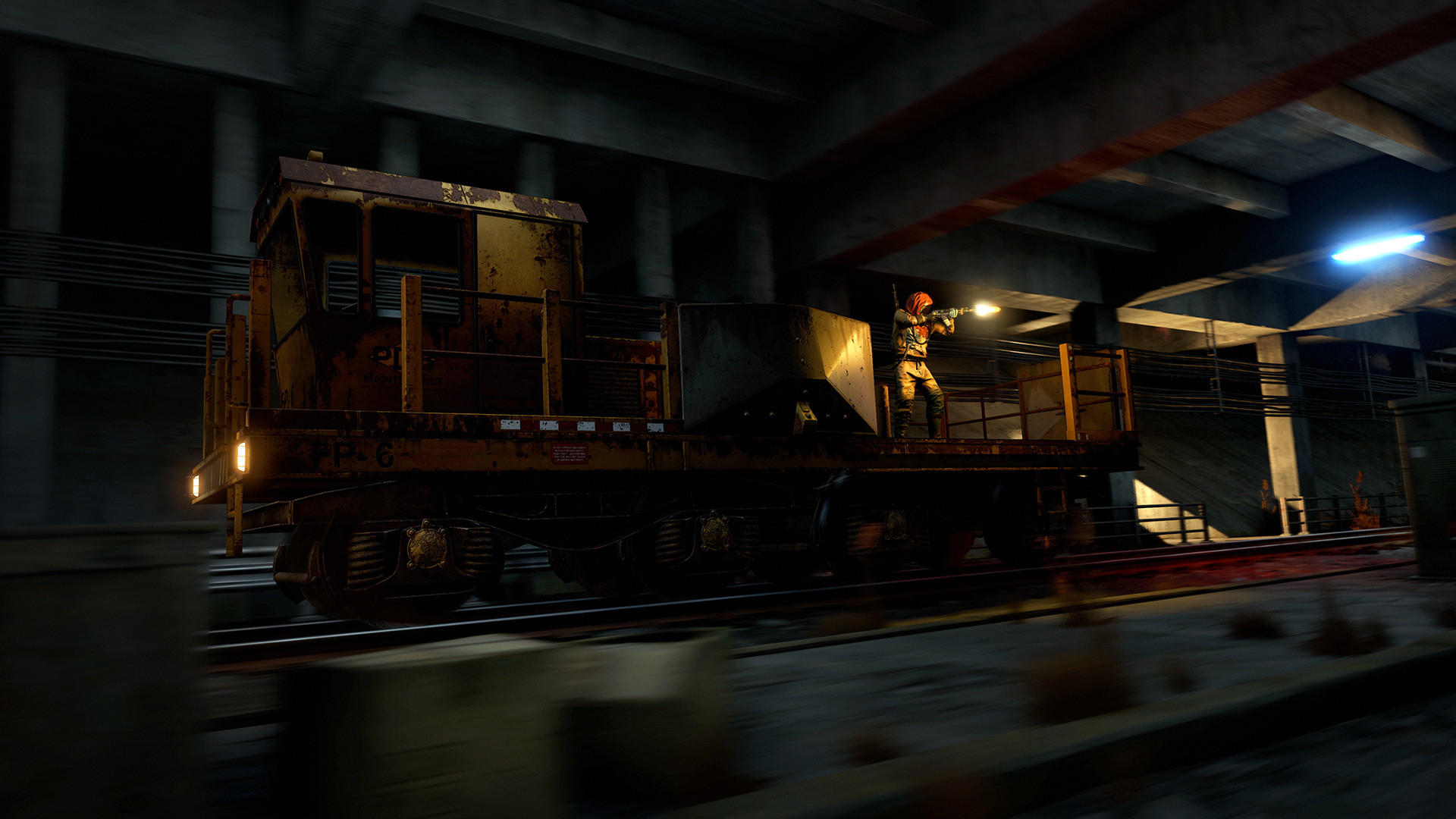
Workcarts are small rail vehicles powered by low-grade fuel. Each tunnel station has workcarts parked on the rails. Two workcarts face opposite directions enabling travel in both directions along the network.
Place low-grade fuel in the workcart fuel storage. Mount the driver seat to start. The workcart travels along rails automatically. Multiple players can ride as passengers. Workcarts travel significantly faster than running, enabling map-crossing trips in minutes.
Tunnel travel crosses the entire map faster than surface travel. Time requirements depend on distance and number of transfers between workcarts. Teams riding workcarts together stay coordinated. Large groups using tunnels create transport advantages on maps with tunnel coverage.
Groups use high-velocity rockets to disable workcarts in later wipe stages. Riding workcarts exposes you to coordinated ambush. Know your threat environment. Avoid tunnels during active raid periods when enemy PvP activity peaks.
Tunnel Dwellers are hostile NPCs patrolling the corridor. They carry rifles and engage any players on sight. Killing them drops weapons, ammunition, and components. Tunnel Dwellers are moderately armored and deal significant damage.
Engage Tunnel Dwellers tactically from cover. Tight corridors favor shotguns. Assault rifles work at medium range. Grenades clear clusters. Don't alert multiple Tunnel Dwellers simultaneously. Retreat and regroup if outnumbered. Loot after confirming the area is clear.
Killed Tunnel Dwellers respawn periodically. Remain alert while looting. New Tunnel Dwellers sometimes appear a few minutes after you kill them. Don't linger in one location. Collect valuable loot and continue moving.
Barrels scatter throughout tunnels. Hit them for components and basic supplies. Barrel loot includes leather, hemp, and occasional scrap. Regular tunnel runners develop barrel routes that maximize efficiency.
Military and basic crates spawn in secure tunnel alcoves. Crate quality is comparable to monument crates. Loot respawns slowly over time. Frequent runners return to the same crates watching them respawn. High-traffic tunnels see rapid loot cycling.
Loot respawns on a timer after collection. The Shipshape update balanced tunnel spawning to prevent excessive early-wipe loot. Expect moderate loot returns, not massive hauls. Plan regular tunnel runs as consistent farming rather than one-time exploration.
Prioritize keycards, weapons, and ammunition. Secondary items include components and blueprints. Ore and heavy materials aren't worth the inventory burden in tunnels. Be selective to maximize value per trip.
Map out efficient loot routes through nearby stations. The best routes hit multiple loot spawns while minimizing distance. Experienced runners complete routes in 10-20 minutes depending on spawns and opposition.
Groups moving through tunnels should stay together. Establish callouts for enemies and loot. Ambush risk increases for separated teams. Coordinate movement and fire support.
Run tunnels during off-peak server times to minimize PvP risk. Wipe day sees intense tunnel activity. Mid-wipe tunnels are lower-intensity. Timing your runs strategically reduces danger.
Tunnels connect to the broader map covered in our monument guides. Loot in tunnels is similar to monument loot. Radiation protection isn't needed in tunnels. Tunnel Dwellers use similar tactics to NPCs at monuments. Learn about status effects before extended tunnel exploration.