General
Industrial System Guide
Automate resource processing with conveyors, crafters, and splitters. Build self-running production lines for passive income.
Automate resource processing with conveyors, crafters, and splitters. Build self-running production lines for passive income.
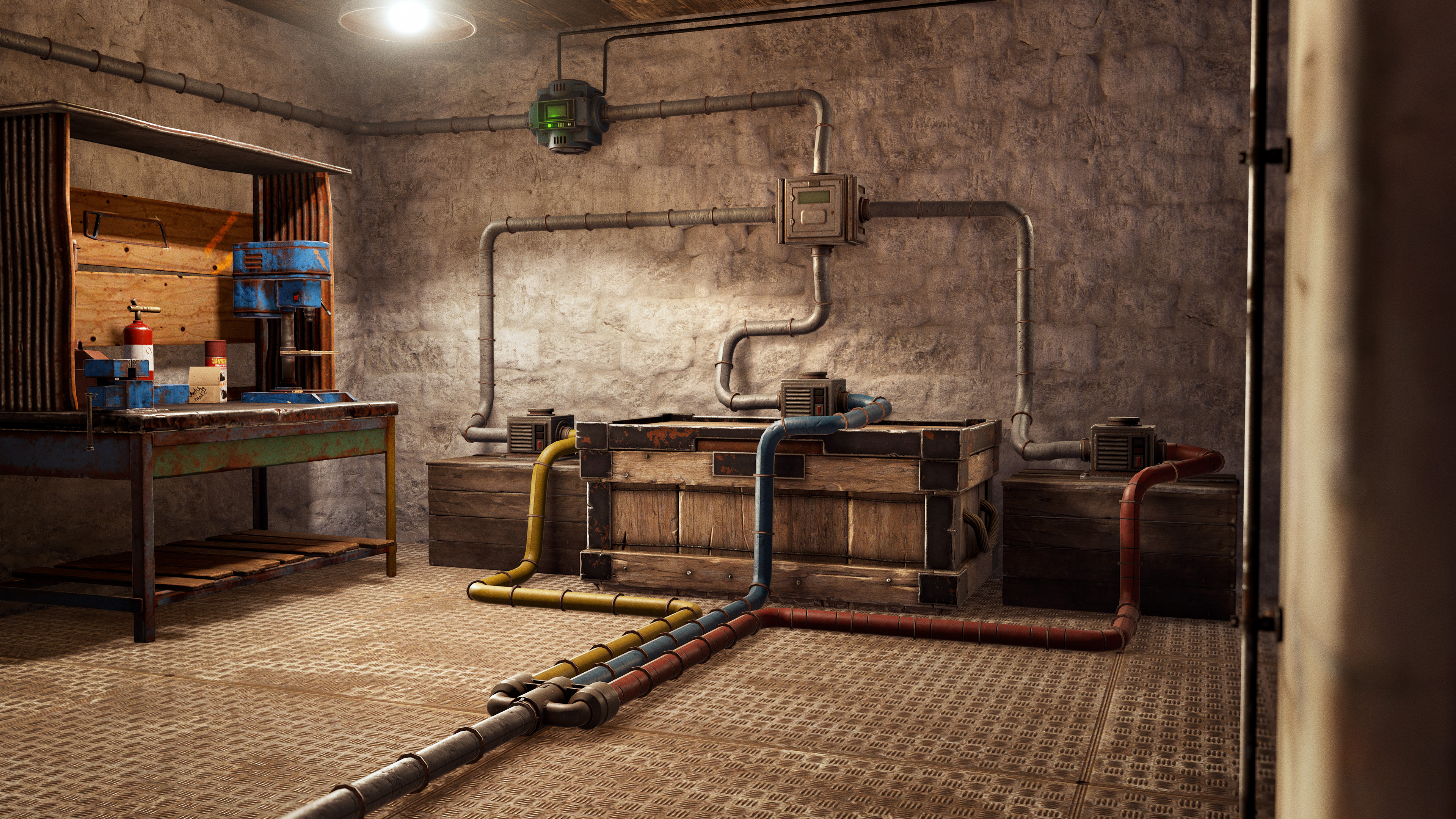
The industrial system lets you automate crafting and resource movement. Place conveyors, crafters, and splitters to create self-running production chains. Input raw materials and the system processes them automatically while you're offline or doing other tasks.
Industrial systems require electricity, but a good setup multiplies your resource output by 10x compared to manual crafting. Late-game bases rely heavily on automation to handle volume production.
| Component | Function | Power Cost | Throughput |
|---|---|---|---|
| Conveyor | Moves items in one direction at constant speed | 1 electricity per segment | 1 item per second |
| Crafter | Automatically crafts items from input ingredients | 5 electricity per operation | 1 craft every 2-5 seconds, recipe dependent |
| Splitter | Divides one input stream into two output streams | 2 electricity per operation | Items split evenly between outputs |
| Combiner | Merges two input streams into one output | 2 electricity per operation | Items combined into single line |
| Container | Buffer storage for items in transit | 0 electricity | Holds up to 6 slots |
Conveyors are the highways of your industrial system. They transport items horizontally or vertically at constant speed. One conveyor segment costs 1 electricity. Items move at 5 meters per second with a throughput of 1 item per second.
Conveyors connect automatically when placed adjacent to each other. Power them from electrical outlets. Up to 20 segments work without boost. After that, items slow down. Add a second power line for longer runs.
Bottlenecks occur when crafters can't keep up with incoming items. Use buffer containers to prevent backups. Run multiple parallel conveyor lines for high-volume production.
Crafters automatically produce items from input ingredients. Each crafter costs 5 electricity per operation and takes 2-10 seconds per craft depending on the recipe.
Gunpowder (sulfur plus charcoal): 20 seconds per craft, extremely high demand. Build multiple gunpowder crafters for raid teams. Explosives (gunpowder plus cloth): 10 seconds per craft, very profitable. Gears (metal fragments plus wood): 5 seconds per craft, essential for tech production. Ammunition (gunpowder plus components): High demand from PvP teams.
Gunpowder and explosives production is the highest ROI. Prioritize these recipes for your first industrial setup.
Splitters divide items into separate production lines. They cost 2 electricity and alternate items between outputs. First item goes left, second goes right, third goes left, etc. This is essential for distributing resources to multiple crafters.
Use multiple splitters in series for more outputs. A splitter chain of three splitters creates eight output lines. Each line feeds a different crafter for massive parallel production.
Input conveyor brings sulfur from storage. Second conveyor inputs charcoal. A combiner merges both inputs. One crafter produces gunpowder. Output conveyor routes gunpowder to storage. Power requirement: 15 electricity. This setup produces 1 gunpowder every 20 seconds.
Three parallel crafter lines with 2 crafters each. Six crafters total produce 6 gunpowder every 20 seconds. One splitter distributes sulfur to three lines. A combiner merges all outputs. Power requirement: 50 electricity. This produces 18 gunpowder per minute continuously.
A single solar panel generates 20 electricity. A generator produces 100 electricity but requires fuel. Mix both for 24/7 production. Use large batteries (40 electricity storage) for overnight buffering when solar panels generate nothing.
Calculate power consumption carefully. A 3-crafter setup needs 25 electricity. A 6-crafter setup needs 50. Add conveyor power on top. Undersized power systems cause production stops during night hours.
Place buffer containers between crafters and outputs. This prevents backups when downstream processes fall behind. Use multiple crafters for high-demand items. Splitters distribute load evenly.
Group similar recipes together. Reduce conveyor runs by placing crafters in clusters. Use direct connections where possible. Minimize power waste by turning off idle lines with smart switches.
Monitor power generation constantly. Build redundant power lines. Keep backup generators fueled. Mark all conveyors clearly so teammates don't break them during raids. Use smart switches to control production based on inventory levels to prevent overflow.
Feed gunpowder from your production line into crafters for explosives. Add cloth input from storage. Each crafter produces 1 explosive every 10 seconds. This is extremely valuable for raid teams.
Combine metal fragments and wood to create electronic components. Auto-craft circuit boards from electronics. This chain feeds tier 3 production and higher-tier electronics research.
Craft gunpowder, combine with bullet casings and metal fragments. Produces ammunition automatically. Ammunition is always valuable for trading or team supply.
Items backing up? Add buffer containers or reduce input speed. Crafters not working? Check power supply and ingredient availability. Conveyors stopped? Verify power connection and segments aren't broken. System too slow? Add more parallel crafters or optimize recipe order. Power failing at night? Increase battery capacity or generator fuel stock.
Test small builds before scaling up. Monitor your system for 1 hour to spot inefficiencies. Adjust based on real-world performance.
Start simple with 1-2 crafters. Scale up once you understand flow. Name each conveyor line clearly for team coordination. Document your power setup with signs. Build in a dedicated factory room separated from living areas. Keep manual input materials in nearby storage for quick restocking.
Gunpowder production is the highest ROI. Prioritize gunpowder over other recipes early. Once stable, expand to explosives. Use combiners to merge multiple ingredient sources. Selling excess to other groups pays for upkeep and fueling.