General
Deep Sea Scientists Guide
PT boat tactics, scientist behavior, weapons, armor, loot drops, and naval combat strategies.
PT boat tactics, scientist behavior, weapons, armor, loot drops, and naval combat strategies.
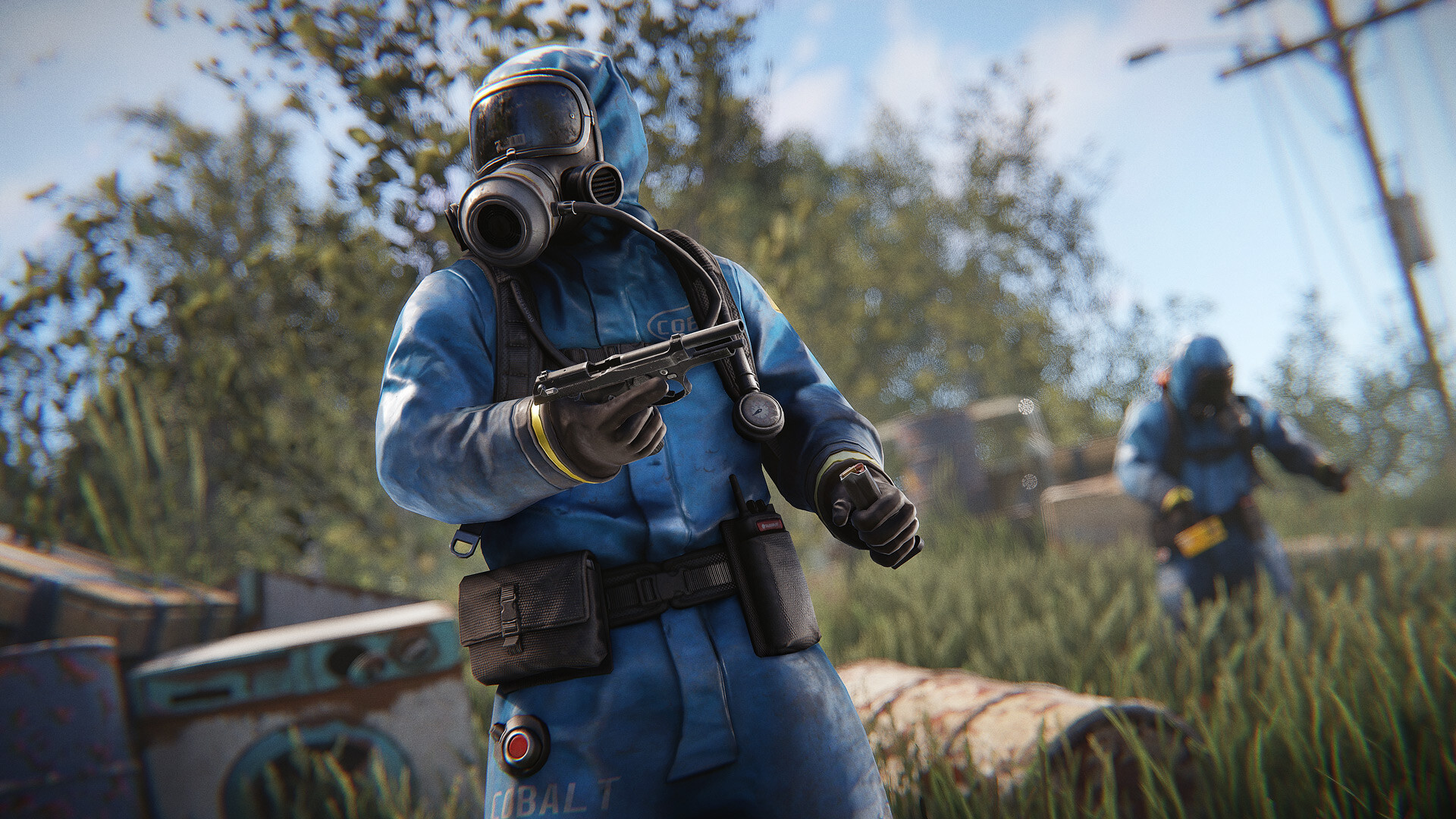
Deep sea scientists are advanced AI enemies introduced with the Naval Update. These heavily armed combatants patrol the deep sea in fast PT boats, protecting monuments and hunting players. Understanding their behavior, weapons systems, and combat tactics determines whether you successfully complete deep sea runs or die trying. The Shipshape update adjusted armor calculations making scientists properly balanced.
PT boats are heavily armed patrol craft with advanced weapons systems. Each carries dual front-facing turrets and a rear-mounted .50 caliber machine gun. Multiple scientists man the vessel. PT boats move slower than RHIBs but pack serious firepower. A single PT boat can disable unprepared player vessels in seconds.
Dual front turrets fire sustained 5.56 ammunition bursts. The rear .50 caliber deals massive damage to boat structures. Scientists aim for cockpits and engines to disable boats. Concentrated fire from both turrets causes rapid damage accumulation. Direct PT boat engagement is dangerous.
PT boats are heavily constructed and resistant to standard firearms. Many shots required for destruction. Torpedoes are more effective, requiring approximately two hits for sinking. Explosive weapons are necessary for serious PT boat combat.
PT boats are slower than RHIBs and custom high-performance boats. This is their critical weakness. Fast boats outrun PT boats. Acceleration away and gaining distance breaks their pursuit. Once separated sufficiently, PT boats may disengage depending on AI state.
Island scientists carry assault rifles for medium-range engagement and shotguns for close-quarters combat. They switch weapons based on engagement distance. They use grenades and place explosive traps in some locations. Always scout carefully before engaging.
Scientists wear heavy armor reducing incoming damage. The March 2026 Shipshape update fixed armor mitigation calculations. Scientists are now properly balanced against equipped players with similar armor. Wearing proper heavy armor is mandatory for scientist engagement.
Scientists no longer see through smoke. This fundamental change enables smoke tactics. Smoke grenades and smoke bombs provide genuine concealment. Scientists now use flashlights and lasers for night vision. This makes them easier to detect and locate after dark.
Island scientists coordinate patrols and communicate threats. Alerting one scientist may draw others. Engage them methodically and individually when possible. Avoid mass alert situations.
Use terrain for cover. Trees, rocks, and structures break line of sight. Scientists have limited flanking and stick to patrol routes. Attack from unexpected angles for advantage. Shotguns dominate close range. Assault rifles work medium distance. Sniper rifles require clear sightlines rarely available on islands. Grenades flush defensive positions. Multiple engagement types handle varied situations.
Don't engage multiple scientists at once unless you outnumber them significantly. Retreat and heal between fights. Scientists eventually stop pursuing if line of sight breaks long enough.
If PT boats engage, immediately accelerate away. Speed and distance are your best defense. Full-throttle toward shallow water or obstacles where PT boats can't follow. Alternatively, turn and fight only if you have superior firepower or numbers. Position your boat so scientists can only use one turret at a time. Maneuver perpendicular to their approach. Stay mobile. A stationary boat dies quickly.
Torpedoes are effective against PT boats but expensive. Two-hit torpedo sequences destroy PT boats. Judge whether torpedo expenditure is worth the target. Torpedoes cost 75 scrap each. Use against high-value targets or during organized operations.
Smoke bombs and grenades now provide genuine concealment. Use smoke aggressively. Pop smoke to break line of sight, reposition, and re-engage from unexpected angles. Scientists rely on sight so obscuring vision severely limits effectiveness.
Scientists use flashlights and lasers after dark, making them easier to detect. They have inferior vision without equipment. Night-time deep sea operations may offer advantages if you use night vision goggles or equipped night-vision helmets. Target scientists using lights for positional advantage.
Wear heavy armor when fighting scientists. Scientists deal significant damage and proper armor reduces that damage substantially. Tech backpack provides protection and extra inventory space. Helmed facemasks offer visibility and ballistic protection. Don't engage scientists in light clothing. Light armor gets you killed.
Bring bandages, medical supplies, and syringes. Scientists deal rapid damage. Sustained healing capability is mandatory. Medical items are your lifeline in extended scientist combat.
Assault rifles provide balanced damage and magazine capacity for extended engagement. Shotguns dominate close quarters. Sniper rifles work only in open terrain that deep sea areas rarely provide. Bring multiple weapon types. Scientists adapt to engagement distance.
Keycards are most valuable drops. Scientists carry green, blue, and red keycards unlocking higher-tier monument rooms. Green cards open basic areas. Blue cards access better loot. Red cards unlock elite contents.
Ammunition drops in large quantities. Scientists carry assault rifle rounds, shotgun shells, and high-velocity ammunition. Weapons occasionally drop including assault rifles, revolvers, and shotguns. Armor sometimes drops though damaged.
Medical supplies drop frequently. Anti-radiation equipment useful for certain areas. Blueprints and components occasionally drop but aren't guaranteed. Collect loot methodically after confirming area safety.
Organized teams make scientist combat easier. Multiple players focus fire and divide threat attention. Assign roles: tank takes direct fire, flanker applies pressure, medic supports. Coordinate heals and ammunition sharing. Solo players must be more cautious and selective about engagement.
The Shipshape update properly balanced scientist damage. Wearing proper heavy armor is critical. Light armor gets you killed instantly. Always suit up before scientist engagement.
Use environmental advantages. Push scientists off cliffs or into water. Use elevation for sniper advantage. Exploit narrow corridors on ghostships to funnel enemies. Grenades cause area damage in confined spaces.
Long engagements drain resources. Know your ammunition capacity. Know when to extract. Sustainability matters more than aggression. A live player with partial loot beats a dead player with nothing.
Start cautious and learn patterns. Gradually increase aggression as experience grows. Master scientist combat and the deep sea becomes your playground. Defeating guardians claims monuments' richest rewards.
Monument context in Deep Sea Monuments Guide. Deep sea overview in Deep Sea Guide. Underwater exploration in Underwater Diving Guide. Boat building for combat vessels. Vehicles for submarine operation. Weapon guides for combat preparation.