General
Deep Sea Guide
Complete deep sea navigation hub. Boats, monuments, diving, scientists, naval combat, and offshore loot.
Complete deep sea navigation hub. Boats, monuments, diving, scientists, naval combat, and offshore loot.
The deep sea is an expansive offshore biome introduced in the February 2026 Naval Update and refined by the March 2026 Shipshape update. It contains unique monuments, hostile scientist patrols, underwater laboratories, and some of Rust's richest loot. Mastering deep sea content requires competence in five core areas: boat building and operation, monument exploration, diving mechanics, scientist combat, and naval tactics.
The deep sea is an offshore area south of the mainland. Tropical islands, ghostships, ore islands, and the floating city populate the region. The deep sea is dangerous territory patrolled by hostile scientists in fast PT boats. It's endgame content for experienced players with proper equipment.
You need a boat to access the deep sea. Basic rowing boats, RHIBs, submarines, or custom-built vessels all reach offshore locations. Expect combat with scientist patrols. Bring defensive weapons and medical supplies. The deep sea punishes unprepared players severely.
The Naval Update introduced a complete boat building system. Place a boat building station in water and construct custom vessels using boat plans, hulls, decks, engines, sails, cannons, and components. Each component requires low-grade fuel and wood to craft. Specializing in boats enables combat vessels, cargo haulers, or exploration craft.
Read the full Boat Building Guide
Tropical islands scattered across the deep sea. White sand beaches and dense vegetation characterize them. Each island features multiple NPC scientists, loot crates, and ore nodes. Ore islands are ideal entry points for new deep sea players. They offer manageable challenge levels and good loot.
Stationary wrecked vessels floating on the ocean. Heavily protected by scientists both on the ship and in PT boat patrols. Ghostship interiors contain locked crates with elite-tier loot. These monuments are for skilled combat players with solid weapons and tactics.
A neutral safe haven built from abandoned barges and oil rig frameworks. No hostile NPCs. Safe zone amenities including recyclers, workbenches, and the Deep Deck Casino. Floating cities are rest points during extended expeditions and not primary loot sources.
Read the Deep Sea Monuments Guide
Scientists patrol the deep sea in PT boats armed with heavy weapons. They're faster, more dangerous, and more intelligent than land scientists. PT boats carry dual front turrets and rear-mounted .50 cal machine guns.
Read the Deep Sea Scientists Guide
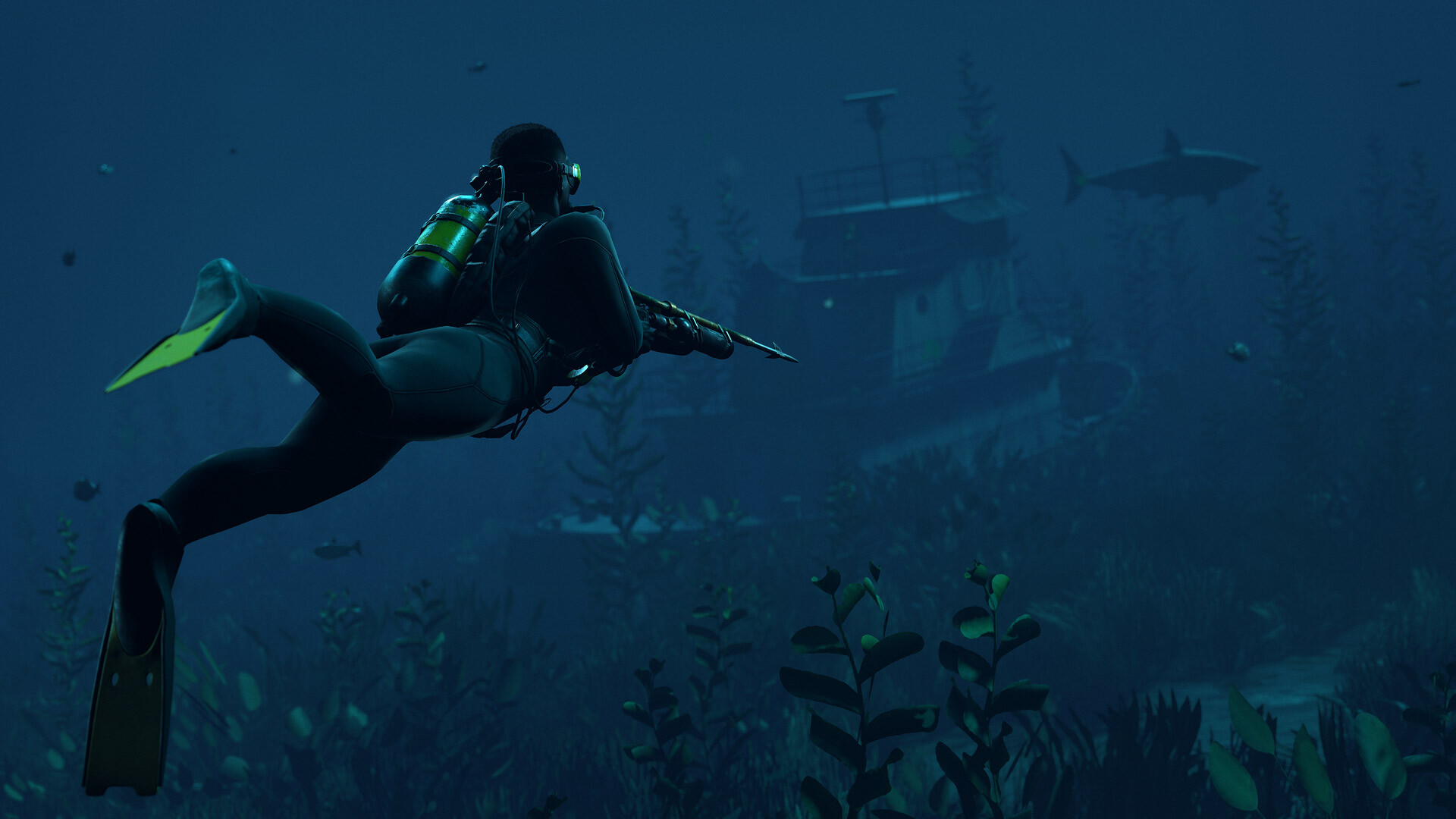
Explore ocean floors and underwater labs with proper diving equipment. Scuba gear includes diving tanks for oxygen, fins for speed, wetsuits for cold protection, and diving masks for visibility. Manage oxygen carefully. Know where air pockets exist. Diving opens access to the ocean's deepest loot.
Read the Underwater Diving Guide
The deep sea provides elite-tier crates, specialized components, keycards, and weapons. Scientists drop quality gear when defeated. Ore nodes on islands offer high-quality metal and sulfur. Underwater labs contain some of the game's best loot.
Deep sea content carries substantial risk. Scientist patrols are deadly. Naval combat is unforgiving. Drowning is possible during underwater exploration. Weigh risk against loot value. Experienced players with proper preparation profit from deep sea runs.
Bring sufficient fuel for round-trip journey. Pack repair materials for expected combat. Bring diving equipment if underwater exploration is planned. Never venture into deep sea unprepared. Preparation determines success or failure.
Start with ore islands using basic boats and weapons. Learn scientist combat in controlled island environments. Develop tactics and confidence before attempting harder monuments.
Progress to ghostships once island success is consistent. Engage PT boat patrols cautiously. Learn submarine operation for safer deep sea transit. Develop naval combat tactics.
Master all monument types. Build custom combat-optimized vessels. Coordinate team attacks on major monuments. Farm deep sea consistently for endgame progression.
Early wipe, raw resources and initial monuments drive progression. Mid-wipe, deep sea becomes competitive. Late-wipe, deep sea farming shifts from content progression to pure resource farming. Adapt your deep sea strategy to wipe stage.
Detailed monument strategies are in Deep Sea Monuments Guide. Scientist combat tactics are in Deep Sea Scientists Guide. Underwater exploration techniques are in Underwater Diving Guide. Boat building enables custom vessels. Vehicles overview covers submarines and boats. World events create additional opportunities in the deep sea.