General
Rust Boat Building Guide
Master custom boat construction. Build everything from fishing boats to armed combat vessels.
Master custom boat construction. Build everything from fishing boats to armed combat vessels.
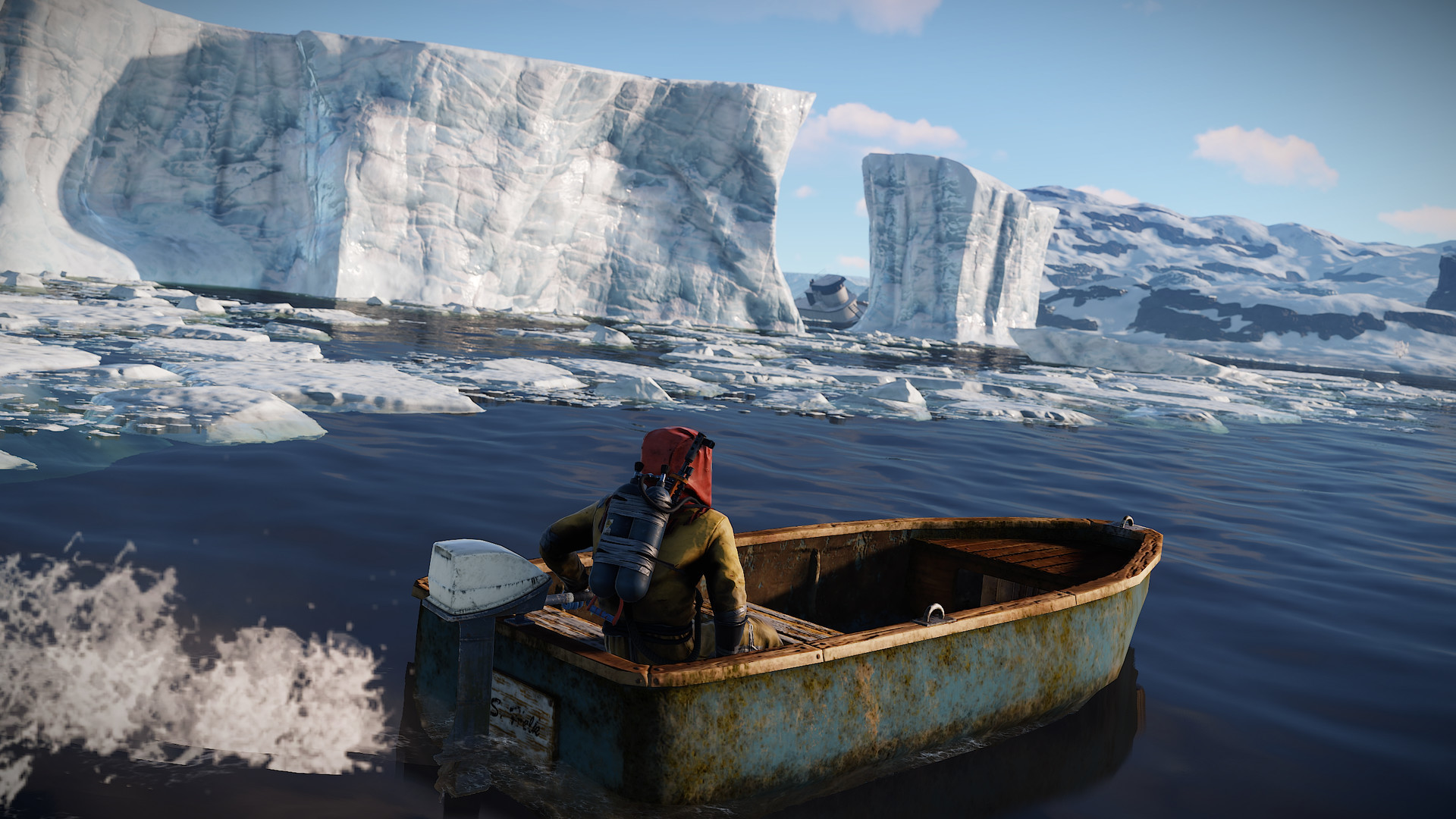
The Naval Update in 2026 revolutionized water-based gameplay by introducing a complete boat building system. For the first time, players can design and construct custom vessels tailored to their needs. Whether you want a fast fishing boat, a heavily armed combat vessel, or a sturdy transport ship, understanding the boat building system is essential.
Before you can build a boat, you need a boat building station. This deployable must be placed in the water to function. Craft the Boat Building Station at a Workbench Level 1. It costs 200 wood and 1 tarp. Once placed, the station creates a floating grid where you snap together boat components. The station itself acts as an anchor point and tool for assembly.
Position your station carefully. Shallow water near islands works well. Deeper water gives you more room to maneuver your finished boat. The station has a slight magnet force that pulls powered-down boats toward it, making repairs and modifications convenient during the Shipshape update.
Each boat component costs materials to build. Most components require both low-grade fuel and wood. The exact cost varies from 4 to 15 low-grade fuel per component plus corresponding wood. This means building a substantial boat requires significant resource gathering. Plan your boat design before you start crafting.
The hull forms your boat foundation. Hull pieces snap together to create the boat body. Larger hulls provide more interior space and higher health but cost more resources and weigh down your vessel. Small single-hull boats are faster and cheaper. Double-hull designs are more durable but slower.
Decks sit atop your hull and create functional spaces. You can build decks for crew positioning, weapon mounting, cargo storage, and passenger seating. Multiple decks increase your boat height and visibility but also increase weight and resource costs. Keep deck designs simple for speed or complex for functionality.
The Tier 2 engine provides mechanical propulsion. It consumes low-grade fuel during operation. Sails offer wind-powered movement that does not require fuel. A well-designed boat uses both. Engines for speed and direct travel. Sails for fuel-efficient cruising when you are not in a hurry.
You can have multiple engines per boat. Each additional engine increases the power-to-mass ratio, improving acceleration. Position it at the rear for optimal performance. Engines take up significant space, so design your boat around the engine placement. See the low-grade fuel guide for sustainable fuel production.
The steering wheel is mandatory. Without it, your boat does not respond to player input. You can have multiple wheels on larger boats to allow different crew members to steer from different positions. Each wheel requires fuel and wood. Position the main wheel where the captain can see approaching danger.
Anchors hold your boat in place. Drop an anchor before you leave your boat unattended. An anchored boat will not drift away. Anchors are essential if you are planning to camp on your boat or take a break during deep sea exploration. Each boat should have at least one anchor.
Ladders connect different levels of your boat. Ramps allow easier cargo movement and crew access. Build ladder networks to connect your deck levels and provide access from the water to your boat interior. Ramps can be positioned as boarding ramps for loading supplies.
Door frames protect internal boat spaces from weather and provide security. You can attach doors to frames just like in base building. Create interior cabins and compartments for storage or crew protection during naval combat.
Cannons are the ultimate boat weapon. Mount them on deck platforms and aim them at enemy vessels. Cannons use cannonballs as ammunition. They are slower than firearms but deal massive damage to structures and vehicles. A single cannon gives your boat serious offensive capability.
Position cannons on elevated platforms for clear sightlines. Build gun platforms that allow crew members to aim and fire without being exposed to return fire.
Use a small single hull with one engine and one sail. Keep the structure minimal to reduce weight. A fishing boat should prioritize speed and fuel efficiency. Add ladders and a small cabin for basic crew protection. These boats are ideal for exploring ore islands and shallow water monuments.
Build larger double-hulls with spacious decks and multiple cabin spaces. Add ramps for easier loading and unloading. Use both engine and sails. Cargo boats prioritize durability and storage over speed. They are slower but can carry large amounts of loot back to your base.
Mount multiple cannons on reinforced platforms. Build gun crew positions that provide protection. Add door frames and armor against the hull structure. Sacrifice some speed for combat effectiveness. Combat boats are the most resource-intensive to build but offer unmatched deep sea dominance.
Build spacious boats with multiple ladder systems and cabin areas. Position steering wheels so multiple crew can navigate. Add platforms for lookouts. These boats excel when you are running group deep sea expeditions.
Your first boat should be simple. A single-hull with an engine, steering wheel, anchor, and ladder network. This teaches you how the system works without wasting tons of resources. Once you master basics, expand to larger designs.
Build your first boats near the coast in shallow water. It is safer to test and make mistakes. Once your design works well, move to deeper water for deep sea expeditions. See the underwater diving guide for deep water preparation.
Boats take damage from collisions, enemy fire, and environmental hazards. The Shipshape update added boat building stations to deep sea islands specifically for repairs. Repair your boat at island stations before the long trip home.
Always drop anchor before leaving your boat. An unanchored boat drifts and can be stolen. Anchoring prevents accidental theft and keeps your boat in the same location when you log out.
Boats consume fuel quickly during extended travel. Calculate the distance to your destination and back. Bring extra fuel in your inventory. Running out of fuel in the deep sea with hostile scientists nearby is a death sentence.
A basic fishing boat requires roughly 500 wood and 50 low-grade fuel. A medium cargo boat needs 1500 wood and 150 low-grade fuel. Large armed combat vessels can exceed 3000 wood and 300 low-grade fuel. Plan your resource gathering accordingly. Hit trees, harvest hemp, and refine fuel before starting your boat project.
If you are building a combat boat, position your cannons to cover multiple angles. Build crew positions that allow gunners to fire safely. Mount multiple cannons if you can afford the weight. Add reinforced hull sections to maximize durability during firefights. See the deep sea scientists guide for combat preparation.
Build your boat with future upgrades in mind. Leave space to add more components later. You can always remove and replace parts as your boat building skills improve and you have more resources.
Do not place the engine on the front of your boat. Keep it at the stern for proper steering and speed control. Do not build too tall. High boats are harder to control and easier to damage. Do not skip the anchor. Boats without anchors are lost boats.
Do not overload your boat with too many heavy components. Weight affects speed and fuel consumption. Do not build combat boats without cannons, and do not mount cannons where they cannot fire effectively.
Master boat building and you will have unlimited access to deep sea monuments and the best loot in Rust. Start simple, learn the mechanics, and gradually build more complex vessels as your skills improve.